Getting a flat tire can be frustrating, especially when you’re in a hurry. Maybe you’re just a few blocks from home or work.
You might think, “It’s fine, I’ll just drive a little farther and deal with it later.” But here’s the truth: driving on a flat tire is never a good idea—not even for a short distance.
It may seem like no big deal at first, but driving on a flat can cause serious damage to your car, hurt your wallet, and most importantly, put your safety at risk.
Let’s take a closer look at why you should always stop and take action when you get a flat tire.
1. A Flat Tire Can Ruin Your Wheel
Your tire isn’t just there to help your car move—it also protects the metal wheel underneath. When a tire goes flat, it loses the air pressure that gives it shape and strength. Without that air, the rubber can’t do its job.
If you drive on a flat, your car’s entire weight is pressing down on the metal wheel, not the tire. Every bump, rock, or pothole hits directly against your rim. This can bend the wheel or even crack it. A bent or broken rim can’t hold a new tire properly, and replacing it can cost hundreds of dollars.
So instead of just needing a quick tire fix, you could be dealing with a much more expensive problem.
2. You Could Destroy the Tire for Good
Sometimes, a flat tire isn’t completely ruined—especially if the cause is something small like a nail or screw. In those cases, a mechanic can patch the hole or plug it, and you’re good to go.
But the moment you drive on a flat tire, the damage gets worse fast. The rubber starts to wear down unevenly, shred, or even break apart. Once that happens, no repair shop can save it. You’ll need to buy a brand-new tire.
That’s money you didn’t need to spend if you had stopped as soon as the tire went flat.
3. It’s Extremely Dangerous
Driving on a flat tire doesn’t just hurt your car—it makes it much harder to drive safely. A flat changes how the car handles, especially when turning or stopping.
Here’s what can happen:
- The car might pull hard to one side.
- Your steering becomes shaky and harder to control.
- You need more distance to stop.
- Your tire could blow out completely, causing you to lose control.
At high speeds, like on a highway, this can lead to serious accidents. Even in town, you risk sliding or crashing if you have to stop suddenly. A flat tire isn’t just a small problem—it’s a safety hazard.
4. It Damages Your Suspension and Alignment
Your car’s suspension system is designed to work evenly with all four tires properly inflated. When one tire goes flat, the balance is thrown off. The extra weight shifts to the other side or corner of your car, putting too much pressure on shocks, springs, and joints.
Over time—or even in just a short drive—this stress can wear out important parts of your suspension. That means your car might start feeling bouncy, hard to control, or uneven.
Driving on a flat can also mess up your alignment. If your wheels aren’t properly aligned, your car may drift to one side and wear out your tires faster. Getting your suspension and alignment fixed can cost way more than a new tire.
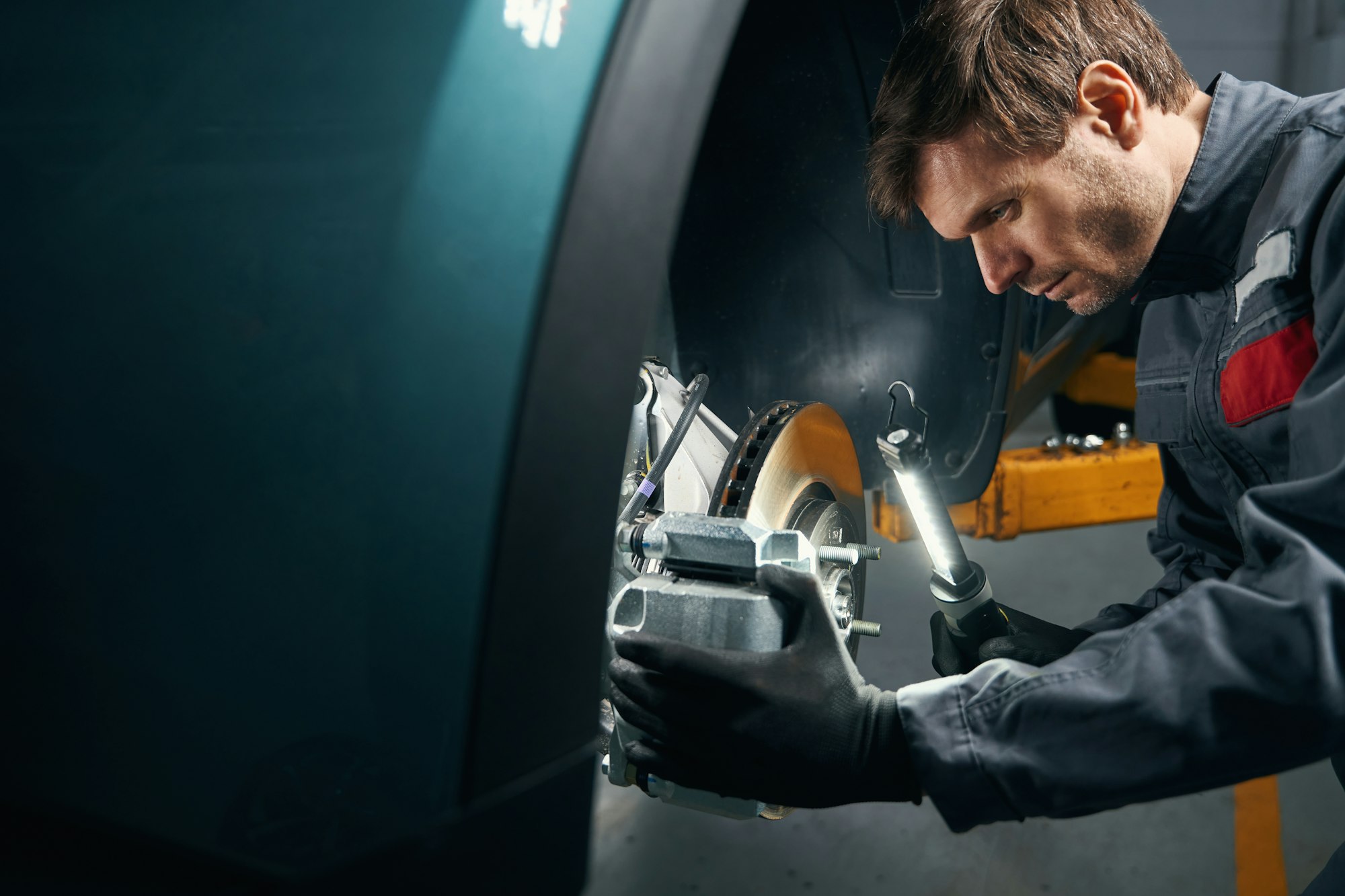
5. It Can Ruin the Brake System
Brakes work best when your car is balanced and all wheels are in good shape. A flat tire, especially in the front, makes it harder for your brakes to work evenly.
When you hit the brakes, the flat tire won’t grip the road like the others. This can lead to:
- Uneven braking
- Extra wear on one side
- Longer stopping distances
Even worse, it could make your car skid or slide, especially in wet weather. Brakes are your main safety system. You don’t want to risk losing them over something as fixable as a flat tire.
6. Fuel Efficiency Drops
A flat tire doesn’t roll smoothly. This makes your engine work harder just to keep the car moving. It’s like trying to ride a bike with one tire almost flat—it takes way more effort.
This extra strain means your car burns more gas. Even a short drive on a flat can drop your fuel efficiency and cost you more at the pump.
So, driving on a flat isn’t just damaging—it’s wasteful.
7. You Could Get a Ticket
Driving on a flat tire isn’t just unsafe—it might also be illegal. In many places, it’s against the law to drive a car that’s clearly not roadworthy. A flat tire counts.
If a police officer sees you, they could pull you over and write a ticket. You might have to pay a fine, and if the tire is badly damaged or shredded, your car could even be towed.
That’s even more money and trouble that could’ve been avoided by pulling over right away.
8. You’ll Make Things Worse If You Wait
It’s easy to think, “I’ll just drive a little farther,” but even a short distance on a flat can cause major damage. Every second you keep going adds stress to your tire, wheel, and suspension.
What started as a fixable issue becomes a long list of problems:
- Destroyed tire
- Bent or cracked rim
- Damaged suspension
- Ruined alignment
- Worn-out brakes
- Lower gas mileage
- Expensive repair bills
The longer you wait, the more everything adds up.
What You Should Do Instead
If your tire goes flat while driving, don’t panic. Follow these steps:
- Slow down and pull over safely – Find a flat, safe area like the shoulder of the road or a parking lot.
- Turn on your hazard lights – This alerts other drivers that you have a problem.
- Check the tire – If you’re trained and it’s safe, use a spare tire and jack to replace it.
- Call for help – If you don’t have a spare or aren’t sure what to do, call roadside assistance or a tow truck.
- Use a tire inflator (if available) – Some small air compressors can temporarily inflate the tire so you can drive slowly to a shop—but this only works for minor punctures.
The most important thing: don’t drive on it.
Final Thoughts
Getting a flat tire can mess up your plans, but driving on it can mess up your car and your safety. From ruining the tire and wheel to risking your life and damaging your car’s parts, it’s just not worth it.
The best thing you can do? Stop immediately, assess the situation, and either fix it or call for help.
A little delay is much better than a huge repair bill—or worse, an accident. So the next time your tire goes flat, remember: never drive on it. Pull over, stay safe, and handle it the right way.